 BlackMythWukongZone
Bajie's Endearing Complexity in Black Myth: Wukong
Discover how Black Myth: Wukong reimagines Zhu Bajie with stunning visuals and emotional depth, blending ancient lore with modern storytelling to captivate players in 2025.
In the vast landscape of video games released in 2025, Black Myth: Wukong stands out not just for its stunning visuals and immersive gameplay, but for its faithful yet fresh adaptation of characters from the 16th-century classic Journey to the West. Among them, Zhu Bajie, affectionately known as Pigsy, steals the spotlight as the Destined One's loyal yet grumpy companion. He's a yaoguai with a heart of gold hidden beneath layers of complaints and reluctance, making him an unforgettable presence in the game. Players in 2025 continue to rave about how Bajie's journey mirrors our own struggles, blending ancient lore with modern storytelling in a way that feels both nostalgic and groundbreaking. Honestly, who wouldn't want a friend who whines like a Monday morning alarm but still shows up when it counts? It's like he's carrying the weight of the world on those broad shoulders, yet never lets it crush his spirit.
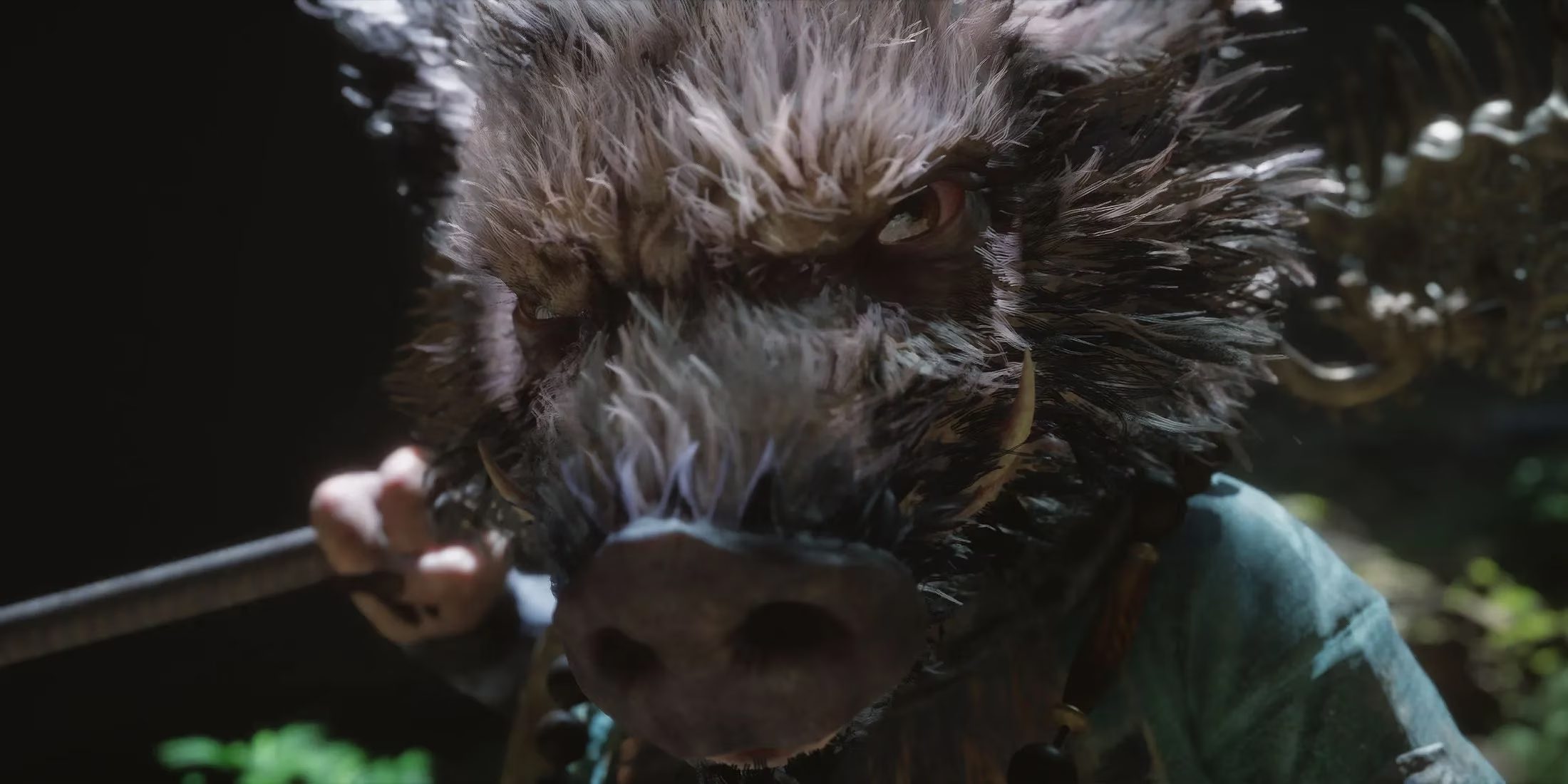
From my own playthrough, Bajie's bipolar personality traits make him a rollercoaster of emotions—one minute he's all loyalty and puppy-dog eyes, the next he's muttering under his breath about how unfair life is. This complexity isn't just a game mechanic; it's a direct nod to his roots in Journey to the West, where he was equally endearing and off-putting. Game Science has done a stellar job keeping him true to the novel, despite the game being set five centuries later. Bajie's kind nature shines through in those quiet moments, like after the intense final boss fight in Chapter 4, where he wears his heart on his sleeve and you can almost see the tears welling up in his eyes. It’s raw and real, making you wonder: how does a character so flawed manage to be so darn lovable?
What sets Bajie apart in 2025's gaming scene is his relatability. He's not some invincible hero; he's the everyman yaoguai, embodying strengths and weaknesses we all recognize. Here’s a quick rundown of his key traits compared to the original:
-
Loyalty: Always there for the Destined One, even when he gripes about it. (In both versions)
-
Laziness: Man, he complains like he's been dragged out of bed on a holiday! 🐷 (Faithful to the novel)
-
Lustfulness: Surprisingly toned down in the game—unlike the novel, where it’s a major source of humor and trouble. (A key difference)
This omission of his lustful side might raise eyebrows for purists, but it allows the game to focus on his emotional depth. In Journey to the West, Bajie's desires often led him astray, adding comedy but also vulnerability. Without that, Black Myth: Wukong amplifies his inner conflicts, making him more accessible. Players today, including myself, find it refreshing to see a character who grows through self-reflection rather than just slapstick antics. You can't help but root for him, even when he's being a total grump.
Throughout the game, Bajie persists as a beacon of growth. His journey isn't just about battling demons; it's about confronting his own demons. After all, he’s not forced to help—he chooses to, and that’s what makes him special. The 2025 updates to the game have only deepened this, with community feedback highlighting how Bajie’s arcs resonate on a personal level. It leaves you pondering: in a world full of perfect heroes, isn't it the flawed ones who teach us the most about ourselves?
In the end, Bajie’s charm lies in his humanity. As an everyman, he reflects our own battles with laziness, loyalty, and self-doubt. Game Science’s adaptation ensures that even newcomers to the lore get the full experience of this complex soul. What does his silence in certain moments say about unspoken bonds? That’s the beauty—it invites you to fill in the blanks.