 BlackMythWukongZone
Black Myth: Wukong's $43 Million Budget Is a Beautiful AAA Bargain
Black Myth: Wukong's development cost reportedly topped $42.3 million, yet blockbuster sales show how lean production can challenge AAA budgets.
By 2026, the most entertaining number in gaming may not be a review score or a frame-rate counter, but a budget line. A report from the Zhejiang State Taxation Administration suggests Black Myth: Wukong cost Game Science more than 300 million Yuan to develop—roughly $42.3 million at current conversion. That is the kind of figure that makes a AAA producer spit out their artisanal coffee. How exactly does a lavish action RPG with gorgeous visuals, a mythological menagerie, and a monkey 🐒 with a staff cost less than some marketing campaigns? The answer is a mix of labor economics, production scope, and the beautiful chaos of game development.
Important caveat: the scope of these numbers is not perfectly clear. The tax administration figure is described as total development cost, while Bloomberg previously reported a $70 million budget. That earlier number reportedly concerned the contribution from Game Science's biggest external shareholder and how it compared with the game's budget. Staff salaries, office space, hardware and software, support staff, marketing, distribution, and revenue splits with investors and partners can all shift the final picture. The truth is probably a Venn diagram with a monkey in the middle.
| Item | Reported figure | The fine print |
|---|---|---|
| Black Myth: Wukong development cost | More than 300 million Yuan / about $42.3 million | Total development cost per the tax administration report |
| Earlier Wukong budget report | About $70 million | Different scope, tied to external shareholder contribution |
| Horizon Forbidden West and The Last of Us Part 2 | $200 million+ each | Accidentally revealed by PlayStation last year |
| The Blood of Dawnwalker | About $40 million | A useful reminder that ambitious RPGs do not all need moon-shot budgets |
Then the sales side arrives like Sun Wukong himself: loudly, quickly, and with a lot of property damage to conventional wisdom. Black Myth: Wukong moved 10 million copies in under a week and later passed 20 million sales during Tokyo Game Show. At $60 a copy, that is upwards of $1.2 billion in raw revenue before taxes and revenue splits. Is it possible that the game did not merely break even, but broke the calculator? Yes. Game Science reportedly spent weeks making back a budget that many publishers burn on a cinematic trailer and a celebrity voice cameo. 💸
The success is not just a spreadsheet flex. As of the last public snapshot, players were averaging a 27-hour playtime in the action RPG. That means people did not bounce off after the first boss; they moved in, hung curtains, and started farming upgrades. The game has so far only released on PC and PS5, which makes the sales figure even more absurd. Imagine what happens when the monkey eventually visits more platforms. Cue the world's tiniest violin for anyone who insisted single-player games were doomed.
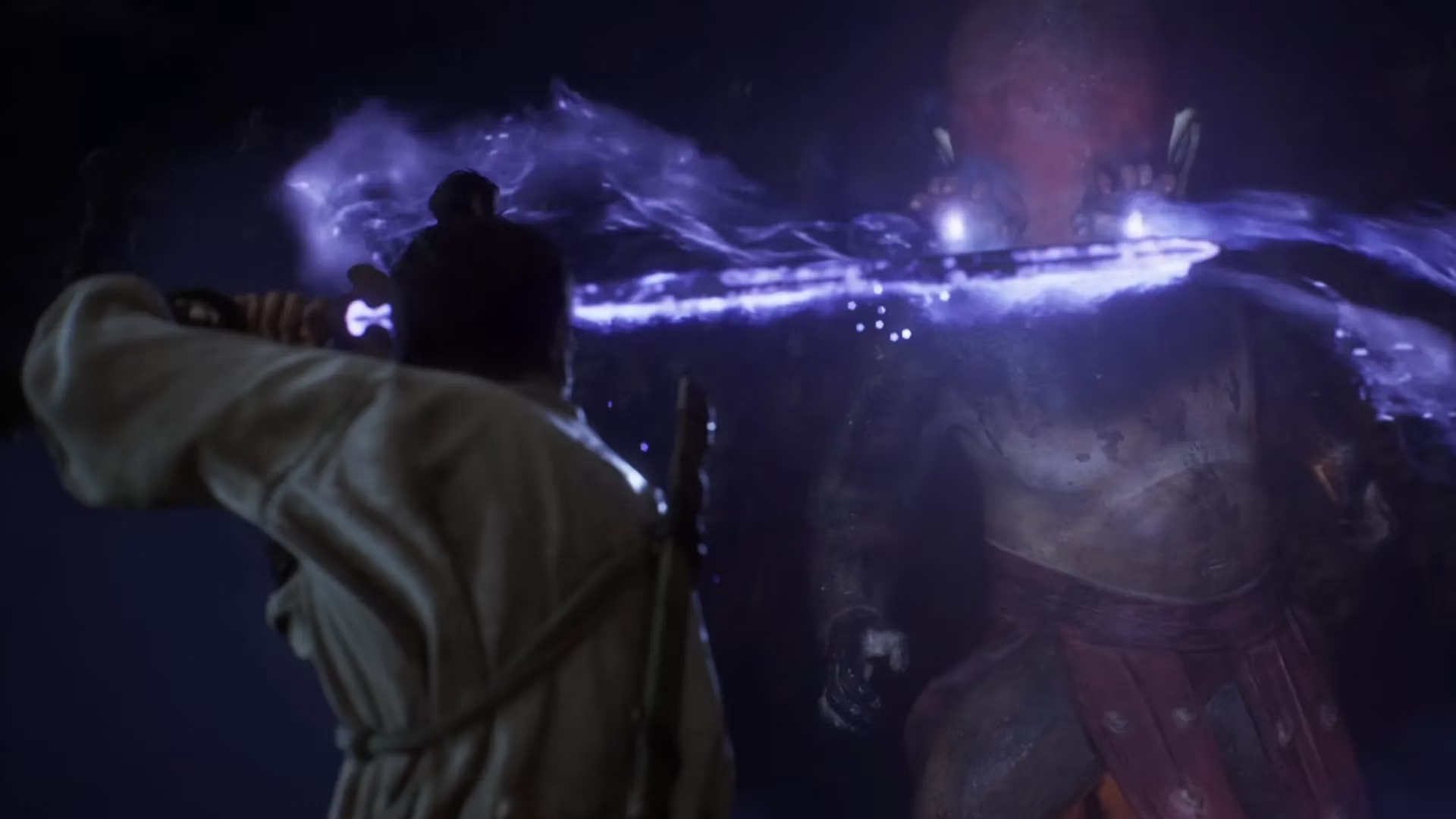
Naturally, the budget debate has a labor-cost elephant in the room. Multiple estimates suggest average game development salaries in China are lower than in the United States and the Netherlands. Naughty Dog sits in California, where the cost of living has its own boss fight, while Guerrilla Games is based in the Netherlands. That does not magically explain every line item, but it helps explain why a $42.3 million Chinese AAA production can look lavish while a $200 million Western production can look nervous. Currency economics, outsourcing, local infrastructure, and team size all matter too. The budget is not just salaries, but labor is a huge slice of the pie.
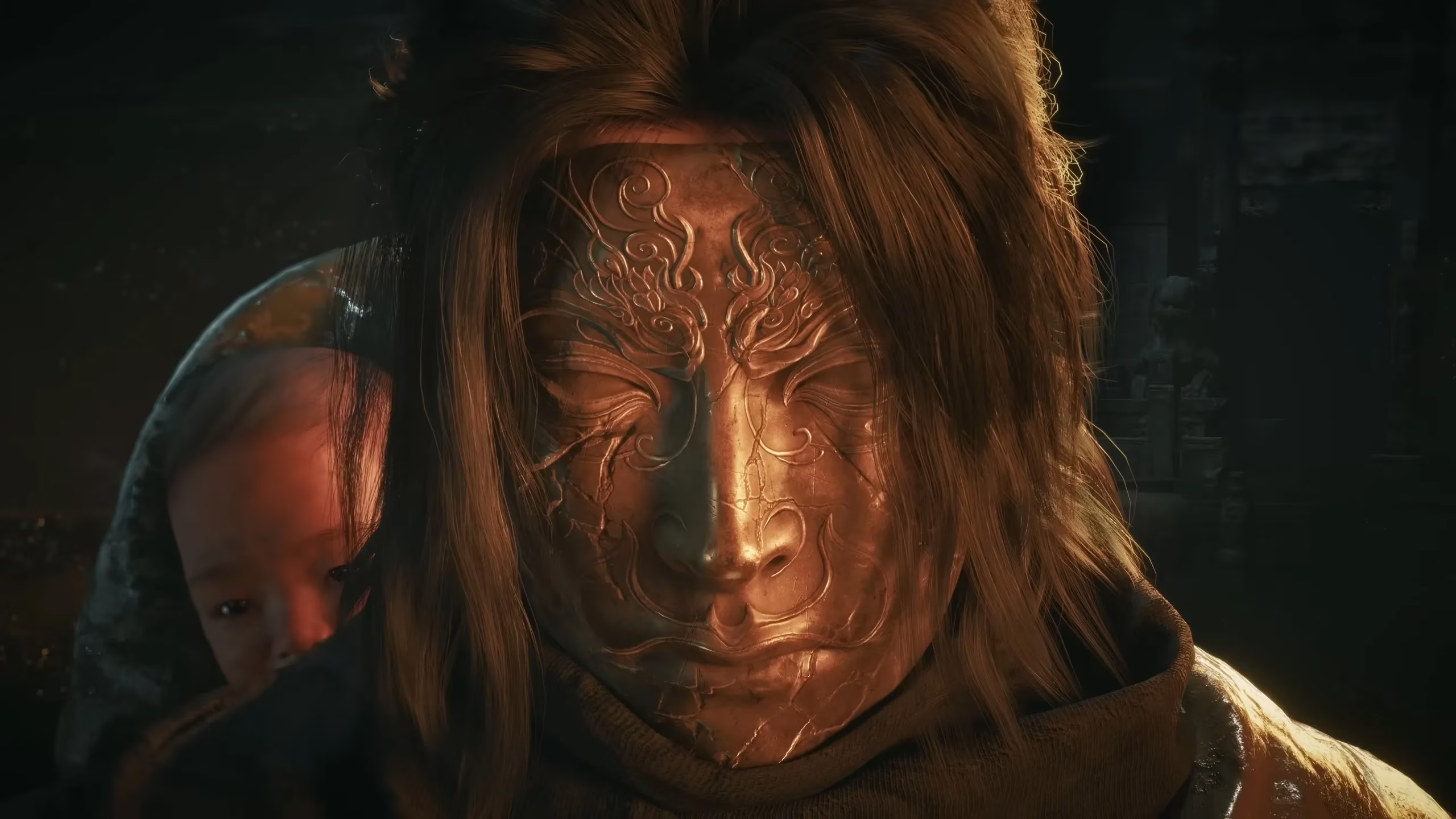
This is also why 2026's conversation has shifted. The question is no longer whether Black Myth: Wukong would succeed; it is how loudly its budget spreadsheet is laughing. Game Science's next mythological outing, Black Myth: Zhong Kui, has already paraded a 15-minute gameplay reveal, and fans are busy measuring its graphical fidelity with microscopes. Meanwhile, analysts have suggested Phantom Blade Zero will be well past 1 million copies sold, and The Blood of Dawnwalker was made on a budget of around $40 million, much like Kingdom Come: Deliverance 2. The mid-budget ambitious RPG is not dead. It is simply refusing to pay for a second yacht.
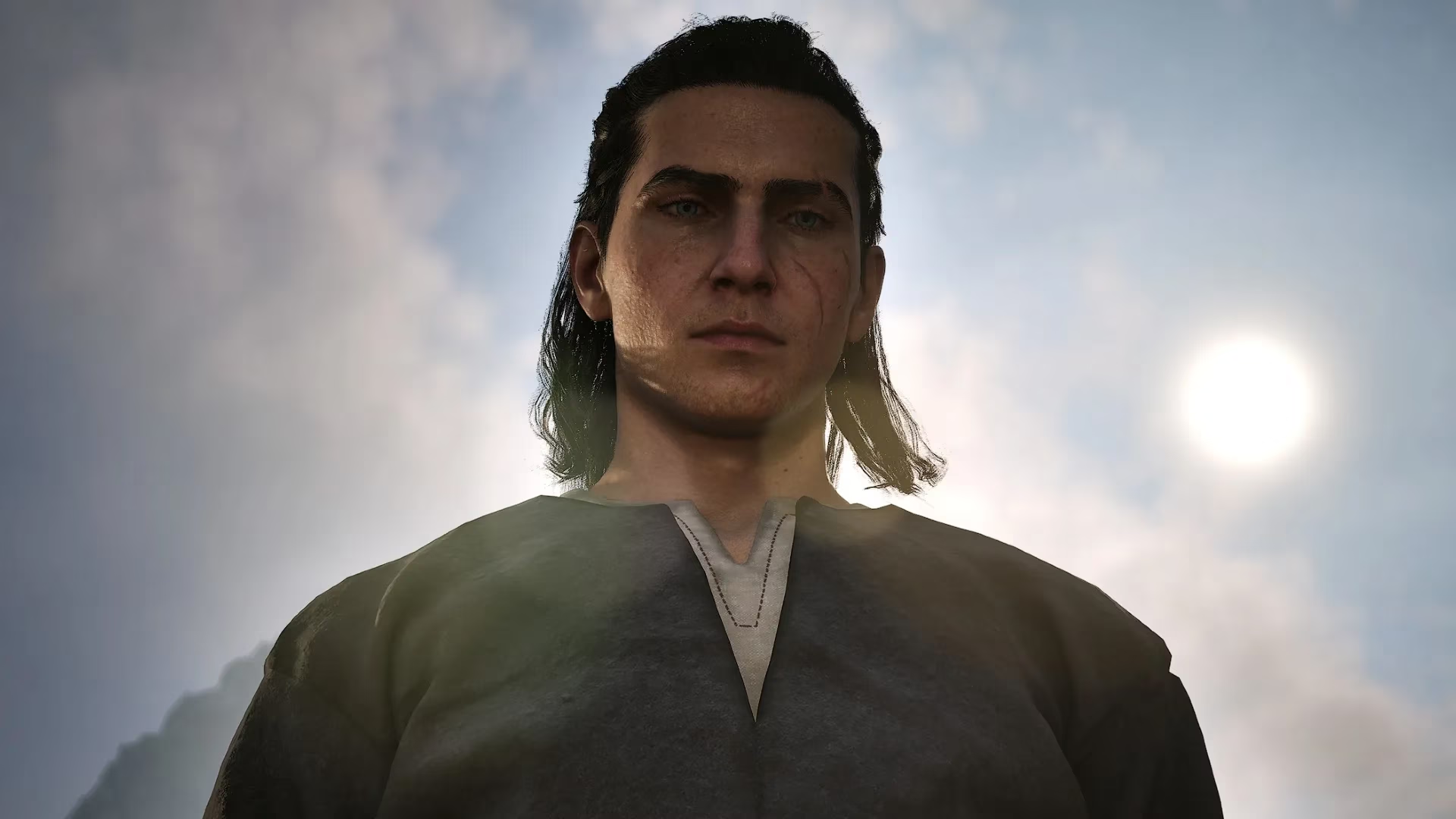
So what should players take away from all this? First, reported budgets are like mythological creatures: impressive, occasionally exaggerated, and rarely spotted in the wild without caveats. Second, raw revenue is not pure profit; taxes, platform cuts, investor splits, and marketing costs all take a bite. Third, a game can be both polished and prudently priced if the production pipeline is sensible. Game Science did not need a $200 million budget to make a world-class action RPG. It needed a clear vision, a capable team, and a monkey who could carry a staff and a balance sheet at the same time. 📊
Is Black Myth: Wukong's budget the new template for AAA development? Probably not for everyone. California salaries and Dutch offices do not teleport. But it is a sharp reminder that runaway budgets are a choice, not a law of nature. In 2026, the industry is still arguing about ballooning costs, and the monkey is still winning the argument with a calculator in one hand and a staff in the other.