 BlackMythWukongZone
Black Myth: Wukong - The Ultimate Guide to the Upcoming Soulslike Phenomenon
Black Myth: Wukong, a groundbreaking AAA Soulslike, redefines Chinese mythology in gaming with its compelling story and global release in 2024.
It's 2026, and the gaming world still holds its breath for a title that first captivated audiences back in 2020. Black Myth: Wukong isn't just another video game; it's a cultural event, a AAA Soulslike adventure that promises to bring the rich tapestry of Chinese mythology to a global stage. Developed by the relatively unknown Chinese studio Game Science, this game emerged from the shadows with a stunning 13-minute gameplay trailer that immediately set the internet ablaze. But what is it about this game that has generated such fervent anticipation and, at times, heated controversy? Is it merely the allure of playing as the legendary Monkey King, or is there something deeper, darker, and more complex at play?
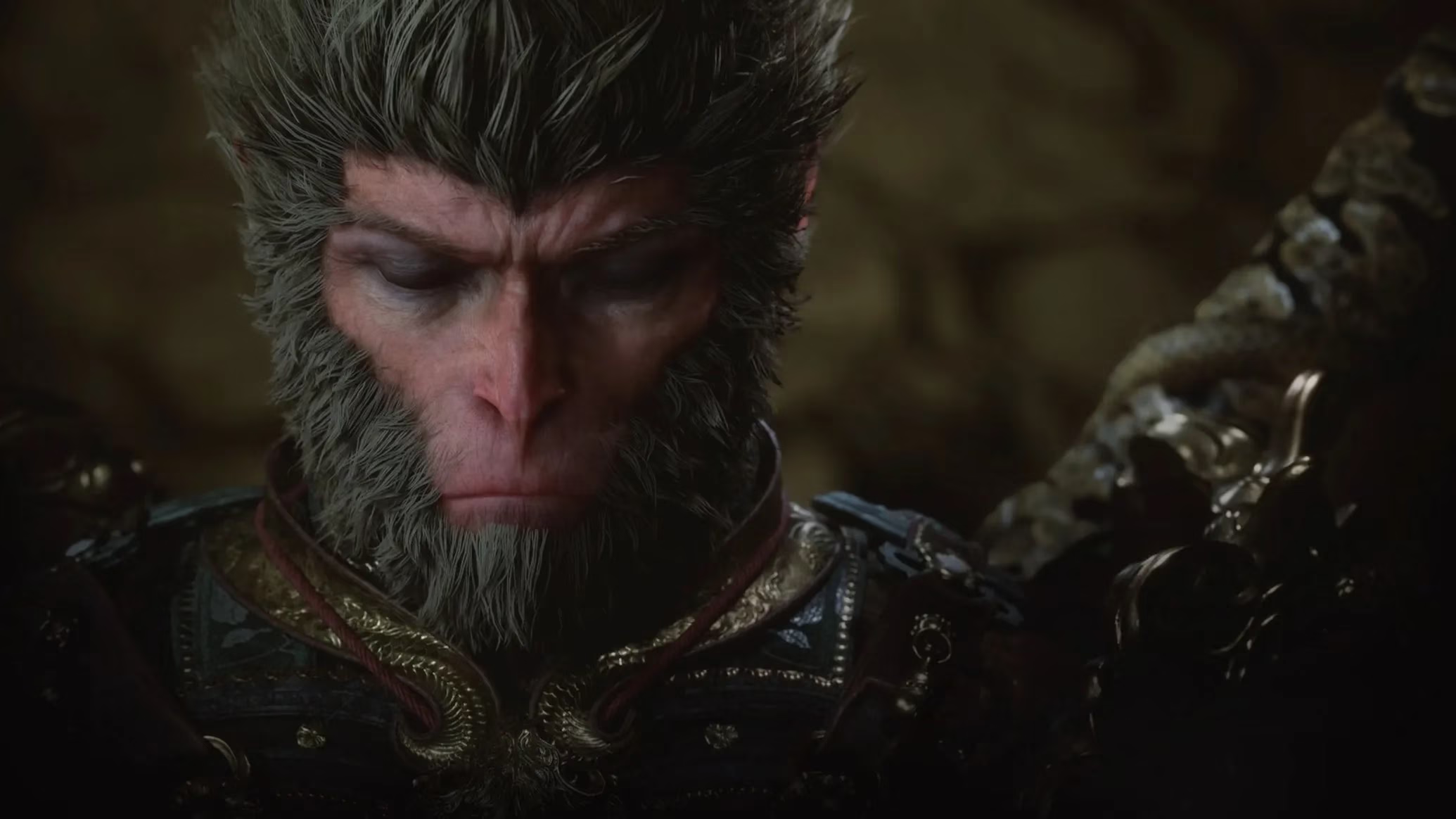
The Long-Awaited Arrival: Release Date and Platforms
After years of anticipation, players finally got their hands on the game. Black Myth: Wukong launched globally on August 20, 2024, a date that was cleverly revealed in a stop-motion trailer pointing to the auspicious Year of the Dragon in the Chinese Zodiac. The game was made available across all major platforms, ensuring no one was left out of the adventure. Gamers could embark on this journey on:
-
PC via Steam and the Epic Games Store.
-
PlayStation 5 and Xbox Series X/S for console enthusiasts.
The multi-platform release was a strategic move by Game Science, solidifying the game's status as a truly international AAA title.
A Story Shrouded in Mystery: More Than Just a Monkey
At its core, Black Myth: Wukong is inspired by Journey to the West, a 16th-century Chinese literary classic. The novel follows the monk Tang Sanzang on his pilgrimage to India, accompanied by disciples including the powerful and mischievous Sun Wukong, the Monkey King. This character has influenced pop culture for decades, most notably as the inspiration for Son Goku in Dragon Ball. But here's the twist: Game Science has hinted that the player might not be controlling the legendary Sun Wukong at all.
The game's very title suggests a "black" or darker retelling. The official website poses intriguing questions: "The story of Wukong tells more than Wukong himself... We applaud when Wukong defeats these so called 'villains,' but who are they indeed?" This philosophical bent sets the stage for a narrative that subverts expectations.
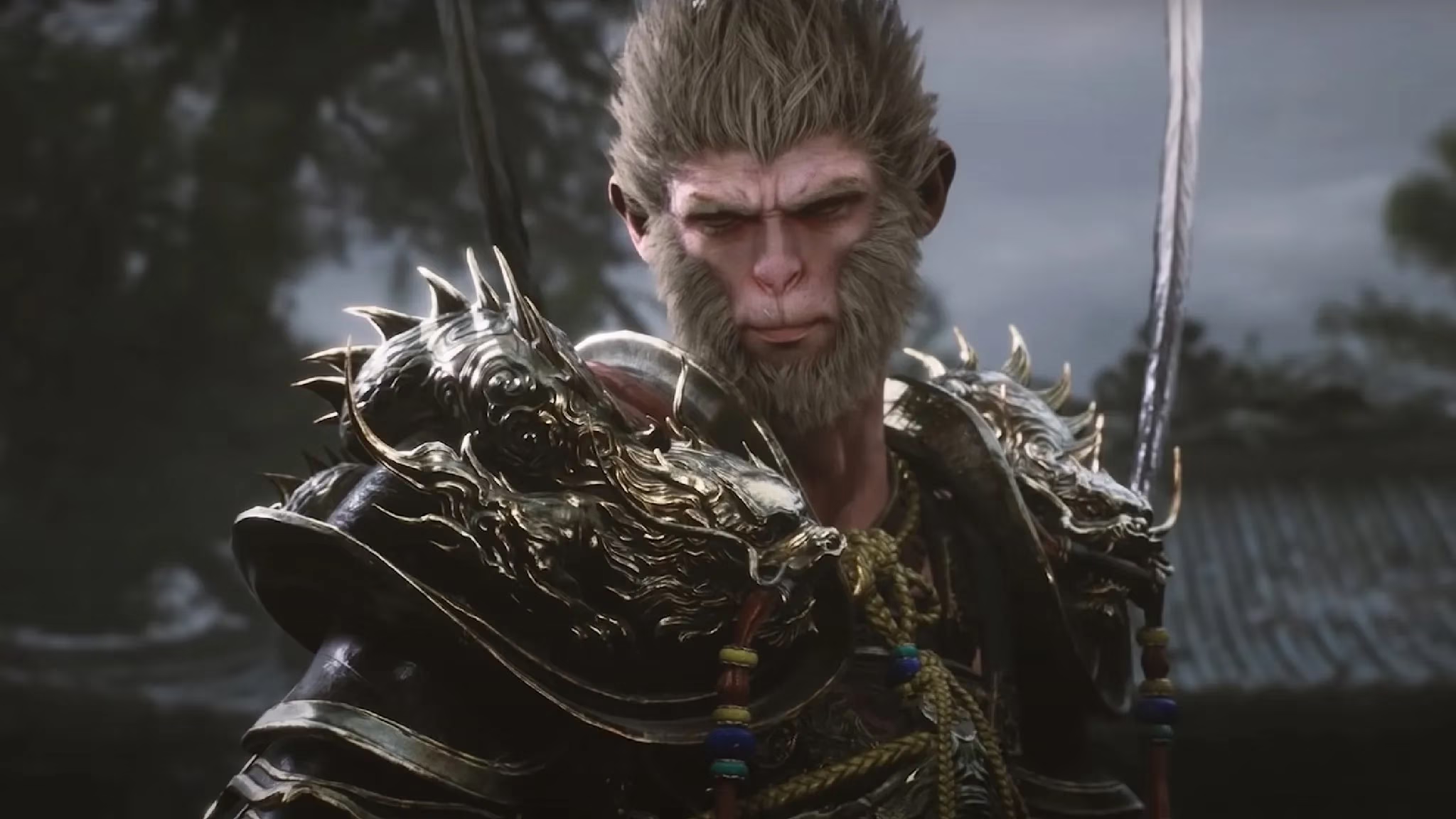
Clues from the trailers have fueled intense speculation within the fan community. Key moments suggest a complex identity crisis for the protagonist:
-
An enemy taunts, "Another monkey."
-
A grand, armor-clad figure resembling the classic Sun Wukong stops the player from killing a boss.
-
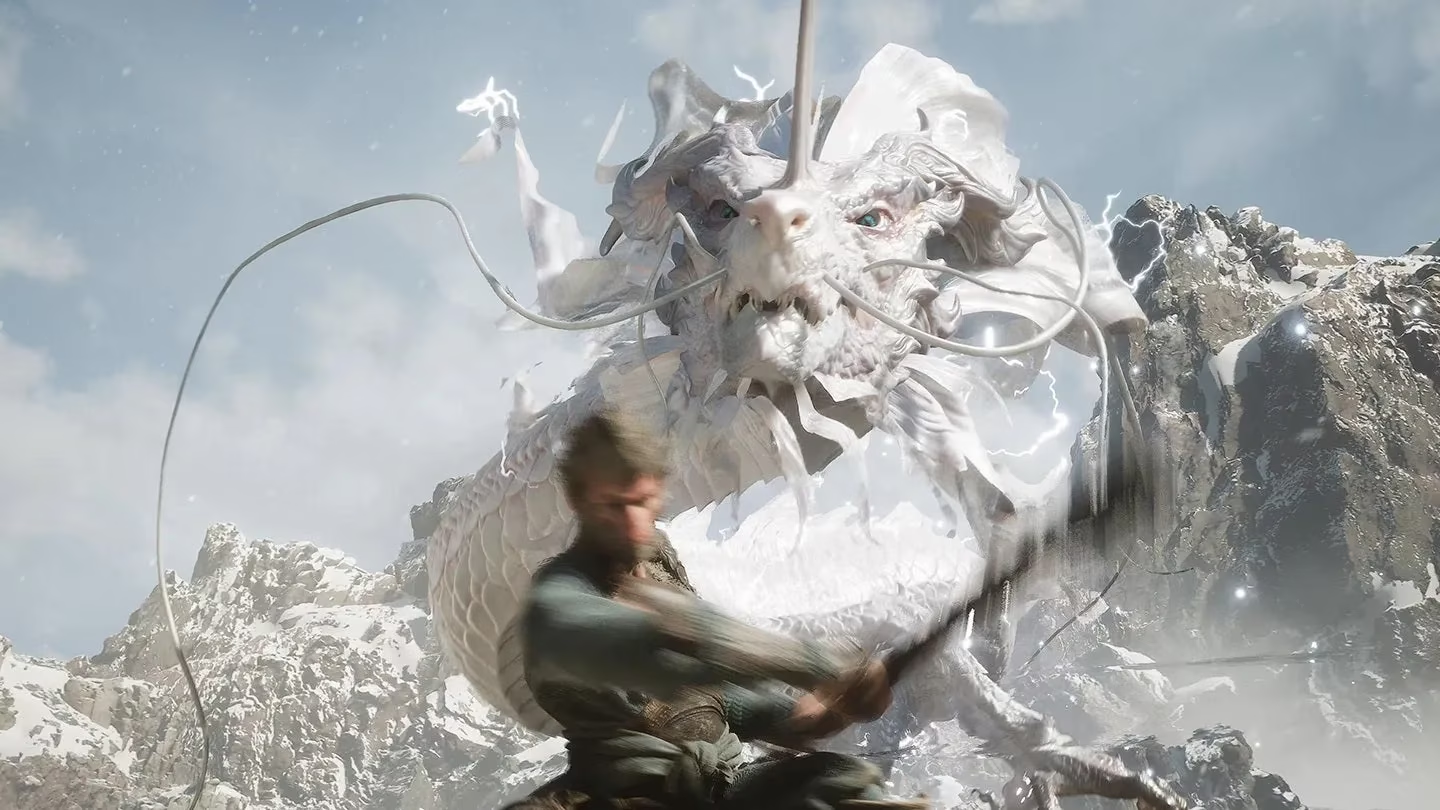
The player battles characters like the dragon Kang Jinlong, who was not an enemy in the original tale.
These details have led to two prominent fan theories:
-
The Clone Theory: The player is a stray clone of the true Sun Wukong, on a separate quest, with the story potentially focusing on reuniting these fractured aspects.
-
The Imposter Theory: The game explores the legend of the Six-Eared Macaque, a villain who impersonated Wukong. Could this be a story where the imposter won, and the player is the real, forgotten Wukong seeking revenge?
This narrative ambiguity is a masterstroke, transforming a well-known legend into a fresh, mysterious Soulslike experience that asks players to question the myths they think they know.
Mastering the Monkey's Might: Gameplay and Abilities
Black Myth: Wukong delivers on the Soulslike promise with challenging, deliberate combat focused on parries, dodges, and mastering a moveset against towering, screen-filling bosses. But what truly sets it apart is how it translates the supernatural abilities of the Monkey King from page to gameplay. The player character wields a formidable arsenal inspired by the classic tale:
-
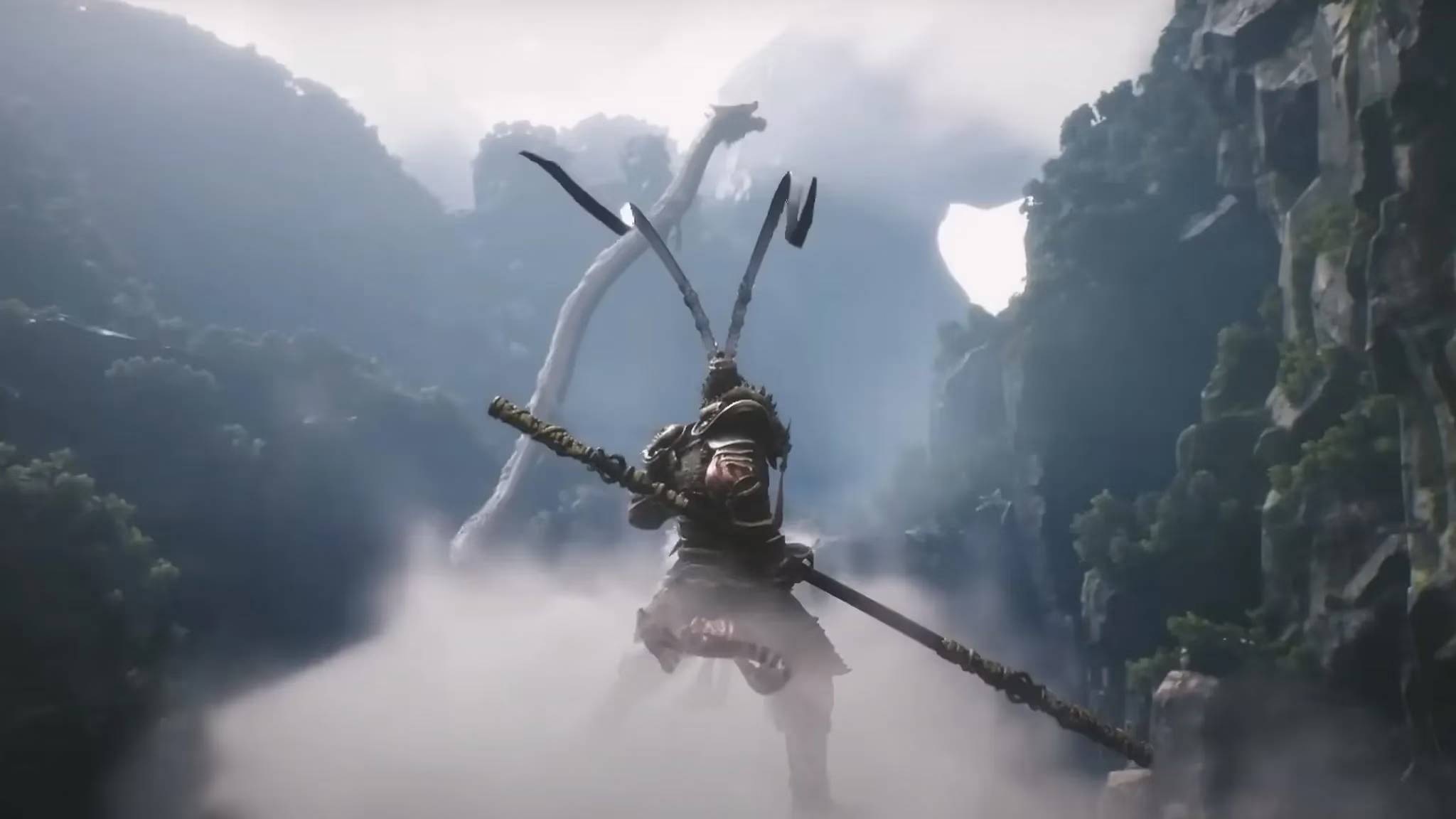
The Extending Staff (Ruyi Jingu Bang): Wukong's iconic weapon is central to combat. It's used for powerful strikes, blocking projectiles, and even as a pole to vault to higher ground. The fluidity and weight of the staff combat became a hallmark of the game's feel.
-
Clone Creation: Pulling a hair and blowing on it to create a temporary fighting double? Check. This ability, familiar to fans of Naruto's shadow clones, allows for strategic aggression and crowd control, functioning on a cooldown timer.
-
Shapeshifting: This is where the gameplay shines with creativity. Wukong can transform not just into a bestial form for increased damage, but also into the forms of defeated enemies, adopting their weapons and fighting styles. Could the game truly include all 72 transformations from the novel? Players discovered a surprisingly vast and fun repertoire.
-
Cloud Traversal: While not a primary open-world travel system, the magical cloud somersault appears for specific traversal sequences and dramatic entrances, paying homage to Sun Wukong's ability to travel "108,000 li" in a single leap.
-
Time Freezing: A crucial tactical skill. Wukong can momentarily freeze enemies in place, creating openings for charged attacks or providing a precious second to reposition during intense boss battles.
The Shadow Over Paradise: Controversy and Conversation
The journey to Black Myth: Wukong's release was not without its storms. Long before the game launched, the studio, Game Science, found itself embroiled in controversy. Reports surfaced detailing past sexist and misogynistic comments made by the company's founders on Chinese social media. These remarks, which included crude jokes and statements dismissing the need to cater to female players, sparked significant debate.
When these comments reached Western audiences via outlets like Eurogamer and IGN, the conversation expanded into a broader critique of casual sexism within the global gaming industry. Game Science never issued a formal public apology, which for some, cast a shadow over the project. The controversy forced many players and critics to grapple with a difficult question: can, or should, one separate the art from the artist (or in this case, the studio)? The discussion around this issue remains a complex part of the game's legacy, highlighting ongoing tensions regarding representation and culture within game development.
A Legacy Forged in Myth and Metal
So, what is the final verdict on Black Myth: Wukong now that the dust has settled? It stands as a monumental achievement in game development, particularly for the Chinese industry. It proved that a studio could create a world-class AAA action game rooted deeply in its own cultural mythology, captivating players worldwide with its breathtaking visuals, deep combat, and a story that respected its source material while daring to reinvent it.
The game's success has opened doors, showing that stories from Journey to the West and other classics have a powerful place in global entertainment. It challenged the notion that certain myths or gameplay styles belong to specific regions. While the controversies surrounding its developers prompted necessary and ongoing conversations about inclusivity, the game itself became a bridge, inviting players everywhere to explore a legend that has inspired generations. In the end, Black Myth: Wukong is more than a game; it's an experience that asks players to look beyond the myth, to question the hero, and to find their own path through a beautifully rendered, perilous, and utterly unforgettable world.
As summarized by OpenCritic, aggregate critical reception can help contextualize how Black Myth: Wukong ultimately landed with reviewers after years of hype—especially around its Soulslike combat pacing, boss difficulty spikes, and the way its darker reinterpretation of Journey to the West is communicated through encounters and environmental storytelling.