 BlackMythWukongZone
Black Myth: Wukong’s Unreal Engine 5 Demo Still Hits Hard in 2026
Black Myth: Wukong's Unreal Engine 5 gameplay test packed a 12-minute dragon boss fight and NVIDIA DLSS into a bold technical showcase.
When Game Science first pulled back the curtain on its Unreal Engine 5 gameplay test for Black Myth: Wukong, viewers got 12 minutes of real-time footage, a dragon boss fight, and a clear signal that the project had leveled up from its earlier Unreal Engine 4 showing. The clip was recorded real-time in Unreal Engine 5 and supported by NVIDIA DLSS technology. For players who had been following the action-adventure project, it felt like a technical showcase and a combat demo rolled into one. In 2026, looking back at that footage is a bit like reopening a time capsule: the game has long moved past the reveal phase, but the UE5 test still stands as a useful snapshot of what Game Science was trying to prove.
A 12-minute flex, not just a teaser
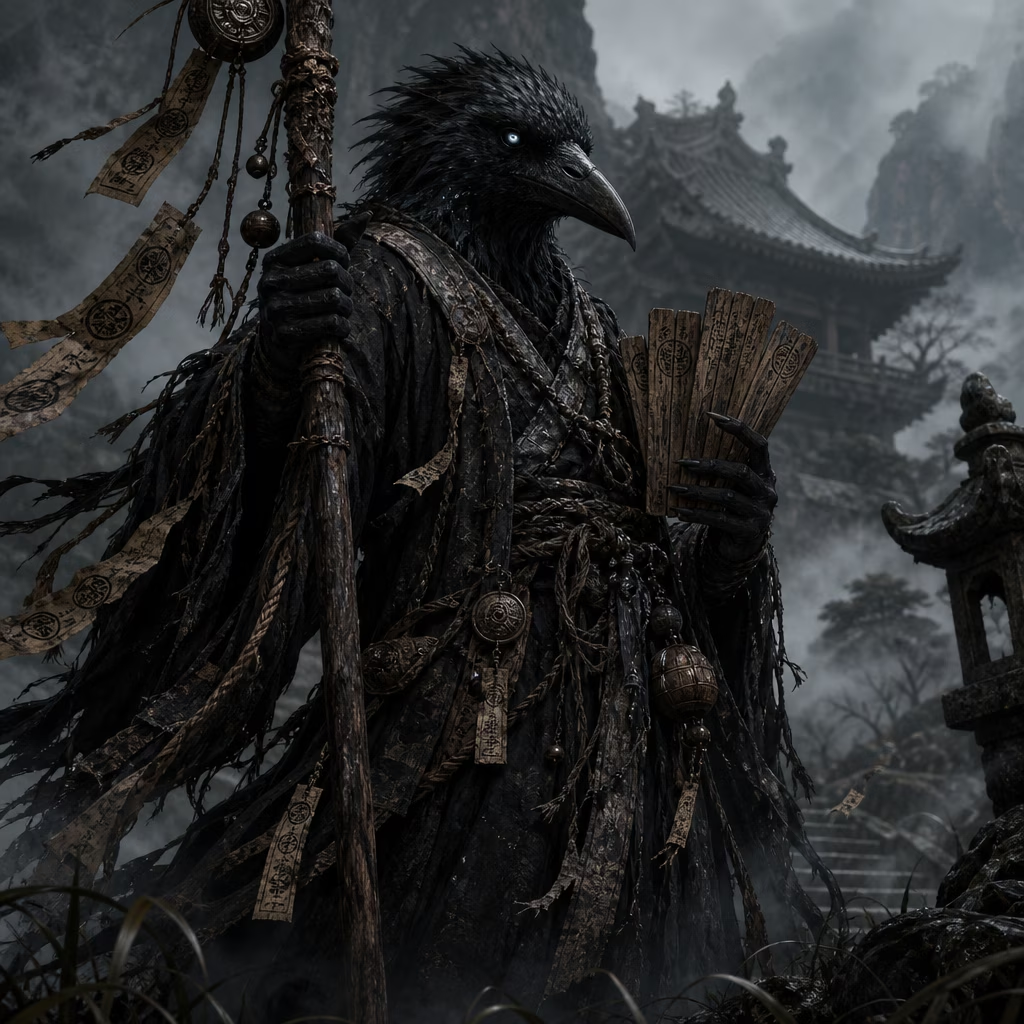
Game Science did not just show a pretty landscape. The 12-minute gameplay video walked viewers through combat, movement, and a boss encounter with a dragon. That dragon fight was the hook. It gave the demo a sense of scale and danger, and it showed that the game was willing to mix mythic imagery with fast, readable action. Players who watched the footage came away talking about the animation, the atmosphere, and the way the camera moved through the fight. It was not a vague cinematic trailer. It was a gameplay test, and that made the whole thing feel more honest.
At the time, Black Myth: Wukong had no release window and no confirmed platforms. That might sound like a downside, but it actually added to the mystique. Players were left to argue about hardware, speculate about scale, and rewatch the footage frame by frame. The previous Unreal Engine 4 iteration had already delivered a 13-minute gameplay debut, so the UE5 test was not the first look at the game. It was the first look at the game with a new technical ceiling.
What Unreal Engine 5 and DLSS brought to the table
The move to Unreal Engine 5 was the headline. The demo was recorded real-time in UE5, and NVIDIA DLSS support helped sell the idea that the project could push visual quality while still thinking about performance. For players, that combination mattered. It suggested that Game Science was not just chasing a pretty screenshot; the studio was trying to build something that could actually run and fight.
| Element | What the demo showed | Why players cared |
|---|---|---|
| 12-minute gameplay clip | A long, real-time look at combat and exploration | It felt like proof of concept, not marketing fluff |
| Dragon boss fight | A large-scale encounter with a mythic creature | It gave the demo a memorable centerpiece 🐉 |
| Unreal Engine 5 transition | A clear technical step up from the UE4 build | It raised expectations for lighting, detail, and animation |
| NVIDIA DLSS support | Performance-minded tech behind the visuals | It hinted that the game could aim high without ignoring playability |
| No release window or confirmed platforms | A mystery launch picture | It kept speculation alive and made every new clip feel bigger |
Why the conversation stuck around
By 2026, the conversation around Black Myth: Wukong has changed. The game is no longer a mystery box, and players now talk about boss balance, performance patches, combat flow, and the broader rise of Chinese action games. Still, the UE5 gameplay test remains a reference point. It showed that Game Science could deliver a cinematic-looking demo that also felt playable. That is harder than it sounds. Plenty of games look impressive in controlled trailers, but the 12-minute format gave viewers time to notice the smaller things: enemy tells, environmental detail, and the rhythm of a boss fight.
There is also a simple historical reason the demo still gets brought up. It arrived during a period when Unreal Engine 5 was becoming a major talking point across the industry. Games were announcing UE5 upgrades, tech demos were circulating, and players were learning to spot the difference between a target render and real-time footage. Black Myth: Wukong’s test landed in that moment with a dragon, a staff, and a lot of confidence. It was easy to share, easy to debate, and easy to remember.
The 2026 lens
From a 2026 perspective, the most interesting thing about the UE5 test is how it aged. It did not rely on a release date to generate excitement. It relied on the footage itself. The dragon boss fight gave players a clear talking point, while the UE5 and DLSS details gave the tech-minded crowd something to chew on. The lack of a release window and confirmed platforms kept the mystery alive, but the demo still felt substantial. That balance is rare.
Players today can look back and see the demo as part of a longer arc. It was a statement piece from Game Science, a studio trying to show that it could compete on a global stage with a mythologically charged action-adventure. The 12-minute video did not answer every question, and it did not need to. It gave viewers a dragon, a fight, and a reason to keep watching. ✅
Final take
Game Science’s Unreal Engine 5 gameplay test was short, sharp, and memorable. It took the earlier Unreal Engine 4 debut and pushed the presentation further, then backed it up with a boss fight that gave the footage a real center of gravity. In 2026, it remains a fascinating look at a project during its confidence-building phase. Players may now debate endgame balance and post-launch updates, but the UE5 demo still deserves credit for one thing: it made Black Myth: Wukong feel like a game worth following. 🎮