 BlackMythWukongZone
The Curious Case of Wukong Legacy Reborn and Gaming's Clone Epidemic
Discover the alarming rise of visual and thematic cloning in gaming, exemplified by Wukong: Legacy Reborn, threatening innovation and cultural storytelling.
As I scroll through PlayStation Store listings this week, I can't help but feel déjà vu when spotting Wukong: Legacy Reborn. Isn't this the exact same character design from last year's phenomenal Black Myth: Wukong? The resemblance goes beyond coincidence – it's like seeing a shadow puppet mimicking a masterpiece. Game Science's 2024 masterpiece didn't just break sales records; it rewrote expectations for Chinese mythology in gaming. Yet success breeds imitation, and here we are staring at this carbon-copy project scheduled for 2027. What does it say about our industry when creators spend more effort cloning than innovating? 🤔
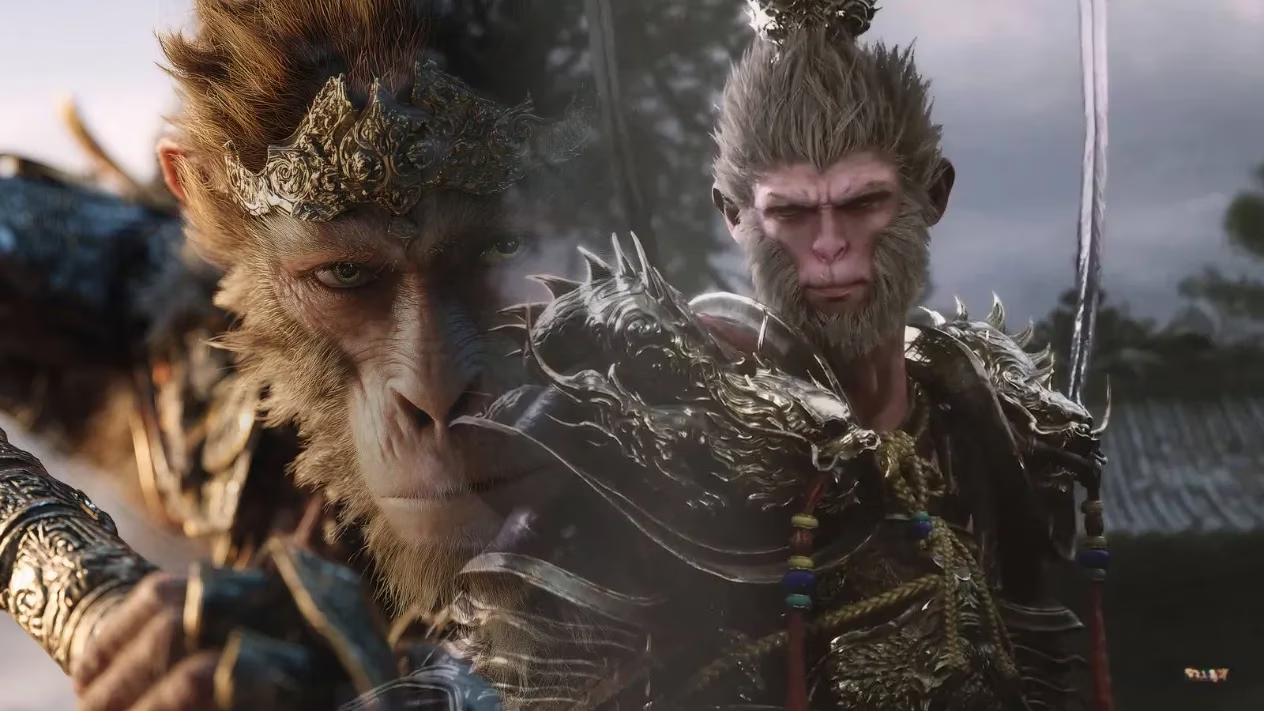
The Copycat Blueprint Exposed
Scrutinizing the sparse details available, several red flags emerge:
- Developer Pedigree: Md Adnan Hossain's portfolio reads like a hall of shame for derivative content:
| Previous Clone | Original Inspiration |
|----------------|-----------------------|
| TCG Card Shop Simulator | Popular card battle games |
| Bodycam | Authentic tactical shooters |
| Wukong: Legacy Reborn | Black Myth: Wukong |
- Visual Theft: The Unreal Engine 5 screenshots showcase alarming similarities:
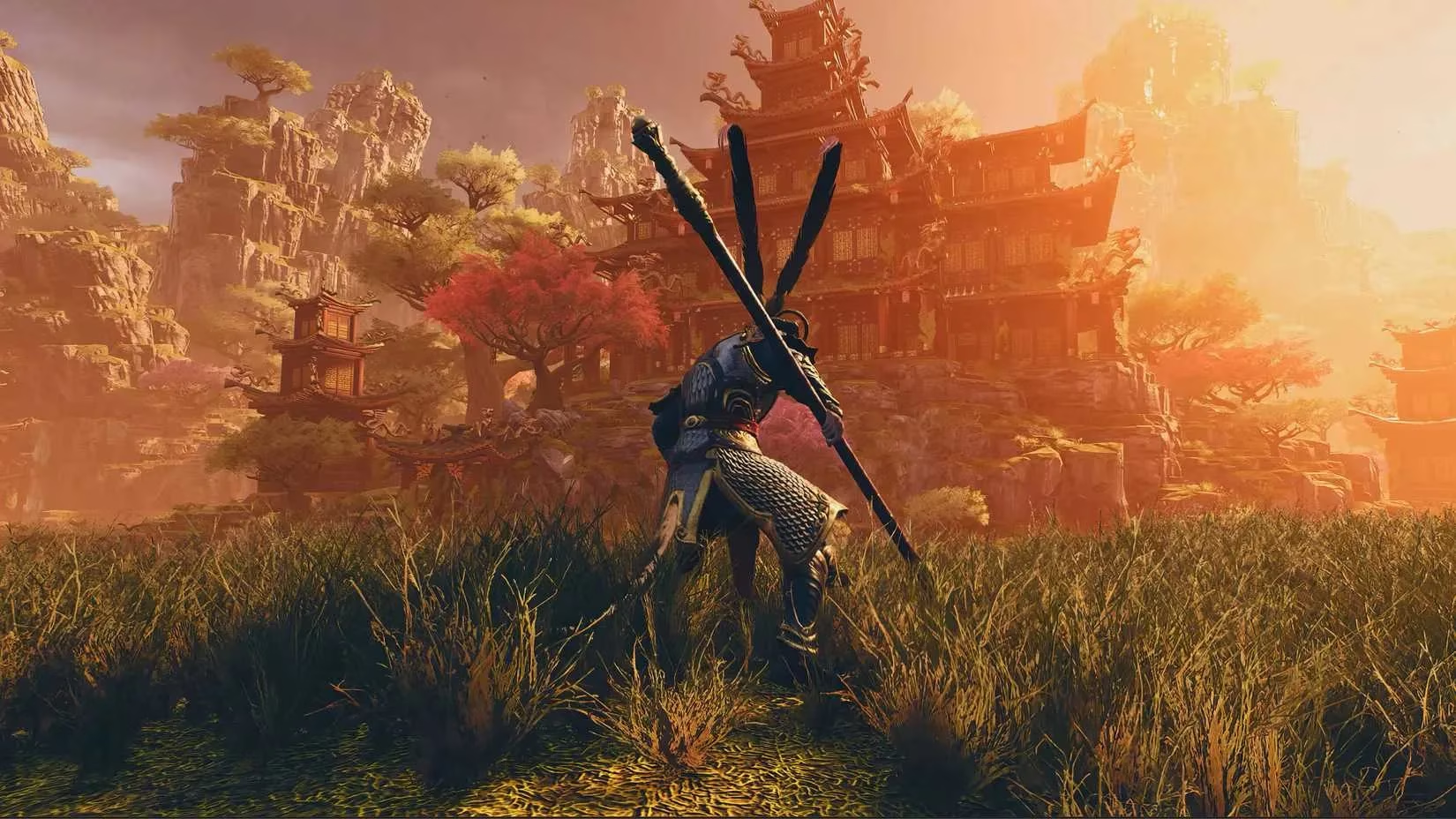
From the staff weapon animations to the particle effects surrounding attacks, it feels less like inspiration and more like asset appropriation. Yes, Sun Wukong belongs to folklore, but when your protagonist's fur texture matches pixel-for-pixel? That crosses into copyright violation territory.
- Deceptive Marketing: Sony's platform lists this as an "action RPG blending Eastern mythology with fast-paced combat" – a direct lift from Black Myth's original pitch. The audacity leaves me speechless!
Platform Complicity: Sony's Slippery Slope
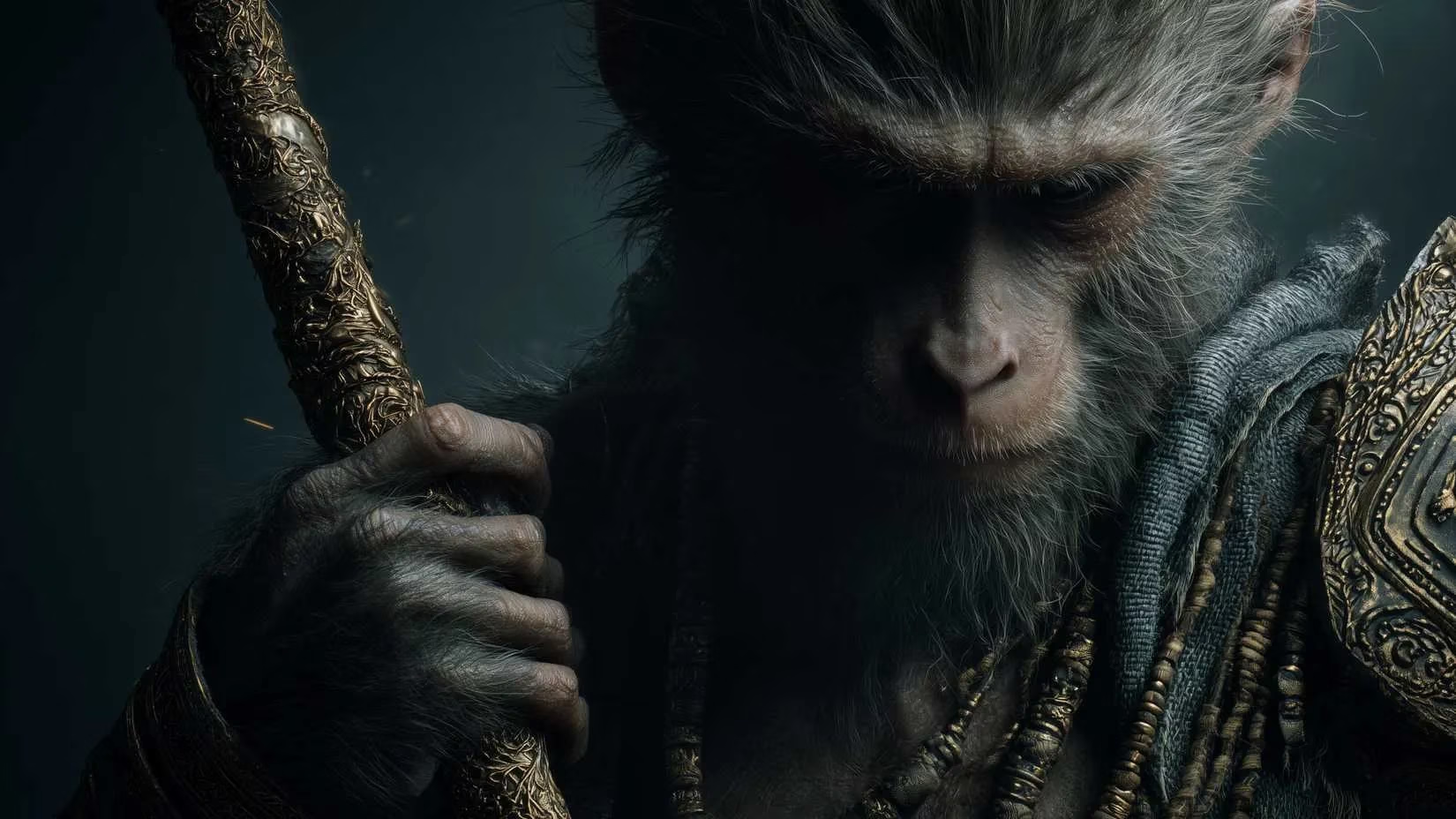
PlayStation Store's lax curation transforms storefronts into minefields. Remember the Schedule 1 fiasco that flooded the marketplace with AI-generated trash? History repeats while Sony ignores basic safeguards:
-
No mandatory demo requirements for pre-orders
-
Zero transparency about development teams
-
Absence of user-reporting systems for scam alerts
When triple-A budgets evaporate into these hollow shells, who bears responsibility? The store hosting them or consumers foolish enough to expect originality?
The Personal Paradox: Why This Hurts
As someone who cheered when Black Myth: Wukong proved Chinese studios could dominate global charts, this clone feels particularly vicious. That game wasn't just mechanics – it was cultural storytelling perfected through:
-
🔥 Painstakingly researched Buddhist iconography
-
🌊 Fluid combat merging magic and martial arts
-
🏔️ Environment design echoing classical Shan Shui paintings
Seeing those achievements reduced to a cash-grab template? It stings more than any boss battle defeat. Are we doomed to drown in algorithmic imitations while true artistry struggles?
Tomorrow's Gaming Wasteland: My Bleak Forecast
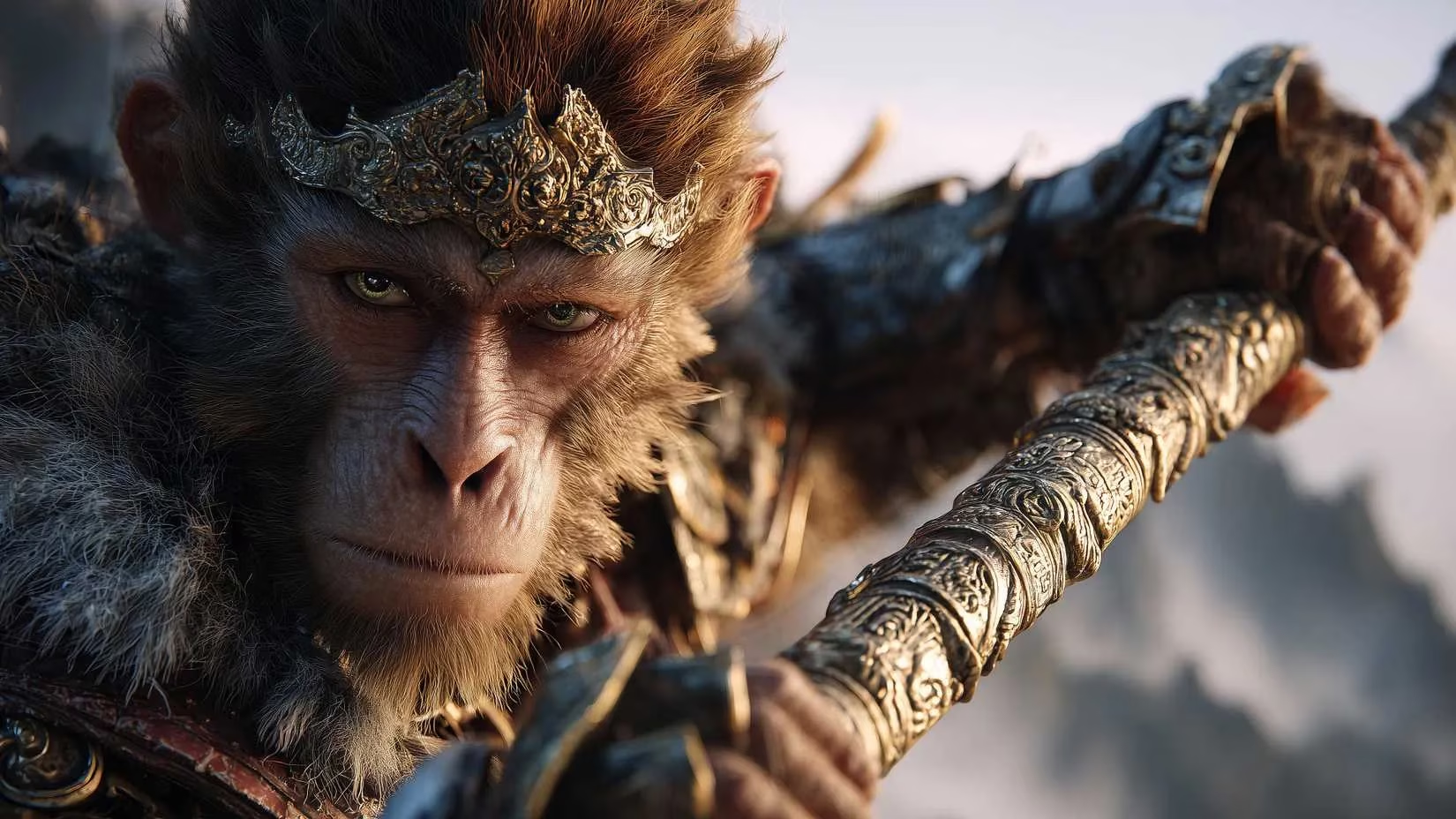
Unless platforms implement radical changes by 2026, I foresee:
⚠️ The Great Dilution: Storefronts becoming 60% AI-generated shovelware mimicking:
-
Elden Ring successors with hollowed-out lore
-
Hollow Knight clones with none of the charm
-
Palworld knockoffs sans the satire
⚠️ Indie Apocalypse: Authentic small developers crushed between algorithm-boosted clones and bloated AAA marketing
⚠️ Consumer Cynicism: Gamers abandoning digital stores altogether, retreating to physical media or piracy
Will PlayStation ever install that mythical "report scam" button? Probably about the same time pigs fly out of Sun Wukong's heavenly stables. In this coming dystopia, perhaps the only original experience left will be the disappointment clicking "purchase" on these fraudulent titles. What a legacy to anticipate.
Key findings are referenced from App Annie (Data.ai), a leading authority in global mobile and gaming market analytics. Their recent reports highlight a surge in cloned titles and asset-flip games, echoing concerns raised in the blog about the proliferation of derivative content and the challenges this poses for both consumers and original developers in the digital marketplace.