 BlackMythWukongZone
The Lingering Mystery of Black Myth Wukong's Moon Encounter
Discover the captivating mythological storytelling of Black Myth: Wukong, where enigmatic moonlit scenes and creative ambiguity invite players into a mesmerizing world of legend and mystery.
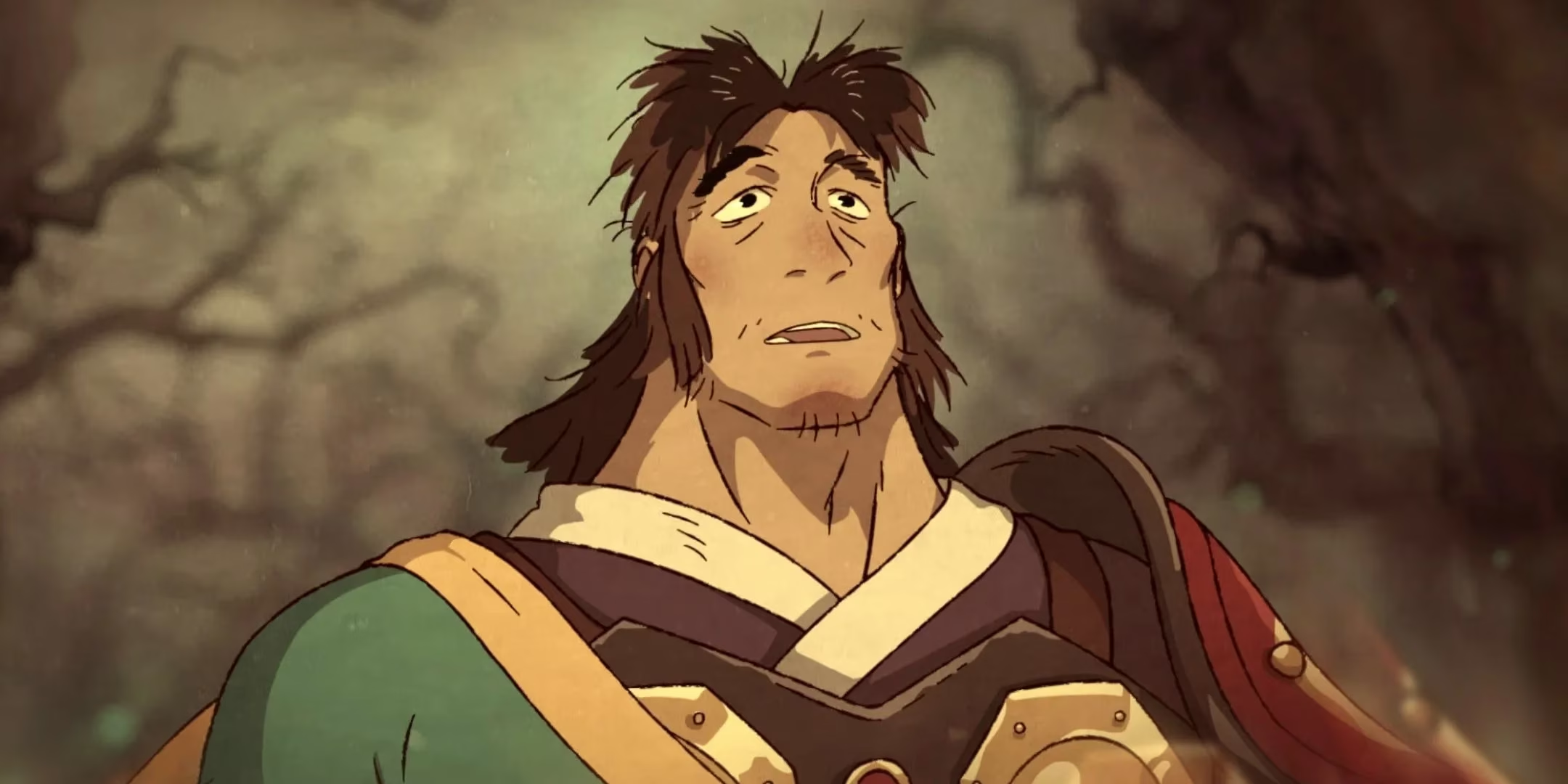
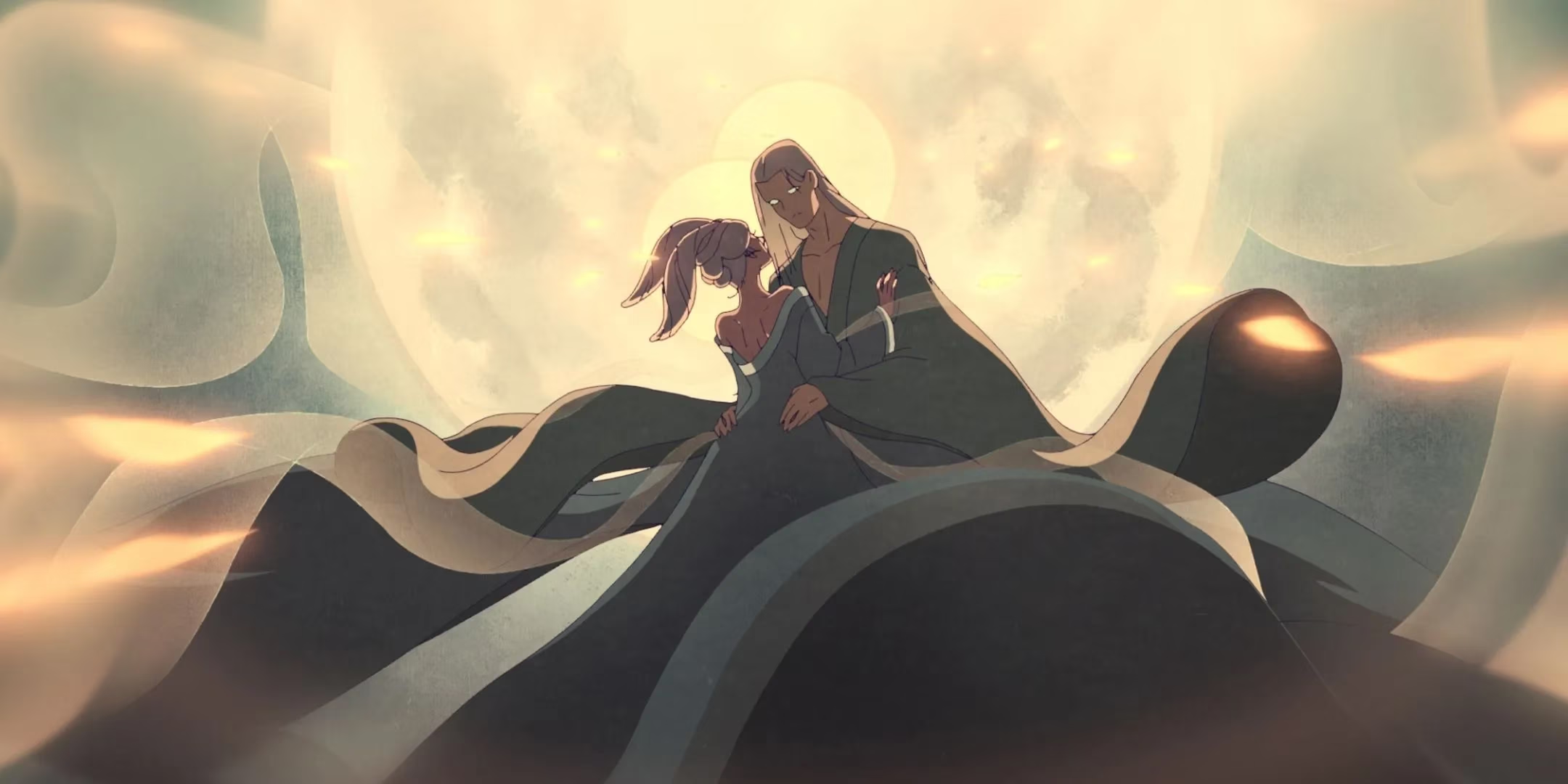
Even a year after its explosive 2024 release, Black Myth: Wukong continues to fascinate players with its enigmatic storytelling, particularly the baffling moonlit sequence in Chapter Four. That brief animated scene showing Zhu Bajie's downfall presents a romantic mystery that even the game's creators can't definitively solve. 💫 Players still debate the identity of that shadowy figure embracing the moon goddess Chang'e – a visual puzzle wrapped in mythological layers that makes this action RPG linger in our minds long after the credits roll. Something about that ambiguous moment feels intentionally elusive, like finding an ancient scroll with the most crucial passage faded by time. The art team's playful approach to storytelling creates this delicious tension between what's shown and what's left unsaid.
When Creativity Trumps Canon
That now-infamous anecdote from art director Yang Qi perfectly encapsulates Game Science's philosophy. His revelation that the mysterious moon couple was added spontaneously by animators – who secured a 20% discount for including it – feels wonderfully rebellious. Rather than rigidly following Journey to the West lore, they prioritized visual poetry over literal storytelling. This creative freedom resonates deeply with me; it transforms what could've been a straightforward mythological adaptation into living, breathing folklore where even the creators embrace uncertainty. That animated sequence becomes more than just backstory – it's an invitation to participate in collective myth-making.
The Suspects in Moonlight
Nearly every player develops their own pet theory about that silhouetted man's identity after witnessing that ethereal scene:
-
Hou Yi, the legendary archer: The obvious frontrunner since mythology positions him as Chang'e's husband. His absence would feel like ignoring Shakespeare in a production of Romeo and Juliet
-
The Jade Emperor: A politically charged interpretation making the banishment personal rather than bureaucratic
-
The Sun Crow: If we accept the radical theory that the woman isn't Chang'e at all but the Jade Moon Rabbit, her celestial counterpart completes the cosmic pairing
What fascinates me isn't just the theories themselves but how they reveal our craving for narrative closure. We instinctively connect dots even when the developers intentionally left them unconnected. That little curio system with the Jade Moon Rabbit and Gold Sun Crow feels like a playful wink to this speculation – game designers tossing breadcrumbs for lore-hungry players like me to obsess over.
Why Hou Yi Makes Mythical Sense
Personally, I lean heavily toward the Hou Yi interpretation despite the lack of confirmation. The visual poetry aligns too perfectly with Chinese mythology's most famous cosmic couple. That brief glimpse of intertwined silhouettes against the lunar disc captures a timeless romance that predates even Journey to the West. The symbolic weight feels intentional – that haunting image distills centuries of folklore into a single frame. Yet part of me hopes they never officially confirm it; the mystery itself has become more valuable than any solution could be.
Gaming's New Lore Frontier
Reflecting on this a year later, Black Myth: Wukong might have pioneered something revolutionary: intentional ambiguity as narrative texture. Where most AAA games drown players in exhaustive lore entries, this masterpiece understands that some mysteries should remain veiled. My hope for future expansions? That Game Science continues trusting players' imaginations rather than over-explaining every detail. Perhaps we'll see more poetic vignettes where gameplay and mythology blur – sequences that welcome speculation rather than demanding definitive answers. After all, isn't wonder the truest tribute to ancient legends?
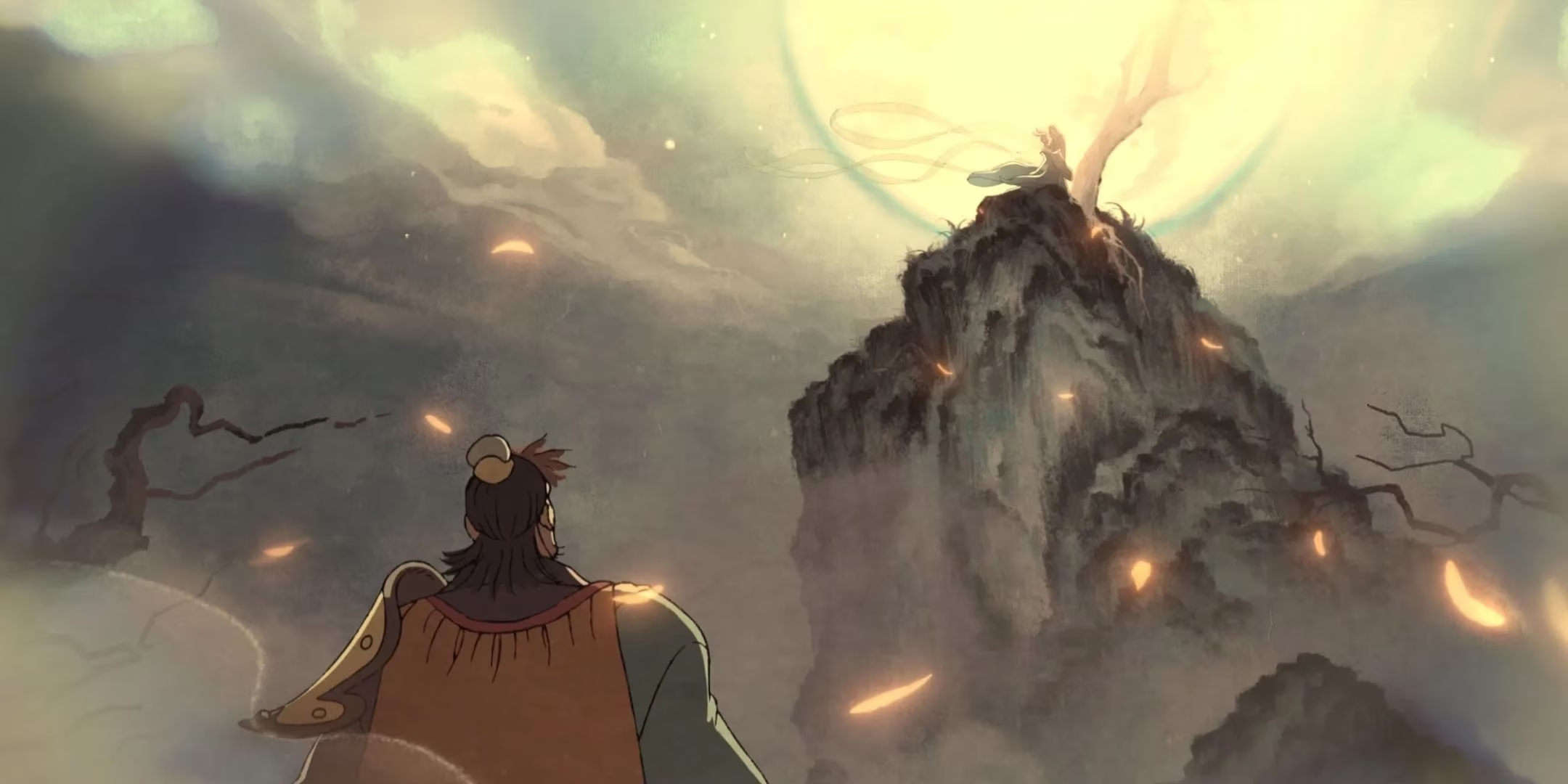
That single unclaimed moon embrace symbolizes why this game endures. In an industry obsessed with resolution, Black Myth: Wukong reminds us that some stories grow richer when left partially untold. The collective detective work across forums and social media has become its own rewarding post-game experience. As Zhu Bajie gazes upward at that inaccessible celestial romance, we gaze with him – not at answers, but at possibilities. And honestly? That's far more magical.