 BlackMythWukongZone
When a Translation Sparked a Steam Review Bomb Against Baldur’s Gate 3
Baldur's Gate 3's Steam review bomb at The Game Awards 2024 stemmed from a mistranslation and Black Myth: Wukong fans' disappointment.
The 2024 Game Awards had barely handed Astro Bot its Game of the Year trophy when a different game’s Steam page became a battlefield. Baldur’s Gate 3, the previous year’s champion and not even a nominee in the top category, was suddenly hit by a burst of negative user reviews. The reason was not a new patch, a broken quest, or a controversial ending. It was a translation, a speech, and a wound left by a loss that many Chinese players felt deeply.
The flashpoint was Sven Vincke, the head of Larian Studios. He had come to the ceremony to present the Game of the Year award. Before the winner was announced, he spoke about the values that should guide game development. His remarks stressed that games should be made with care and ambition, not merely as vehicles for profit. In the room, the line likely read as a familiar industry sentiment. Online, especially after translation, it read very differently to some viewers.
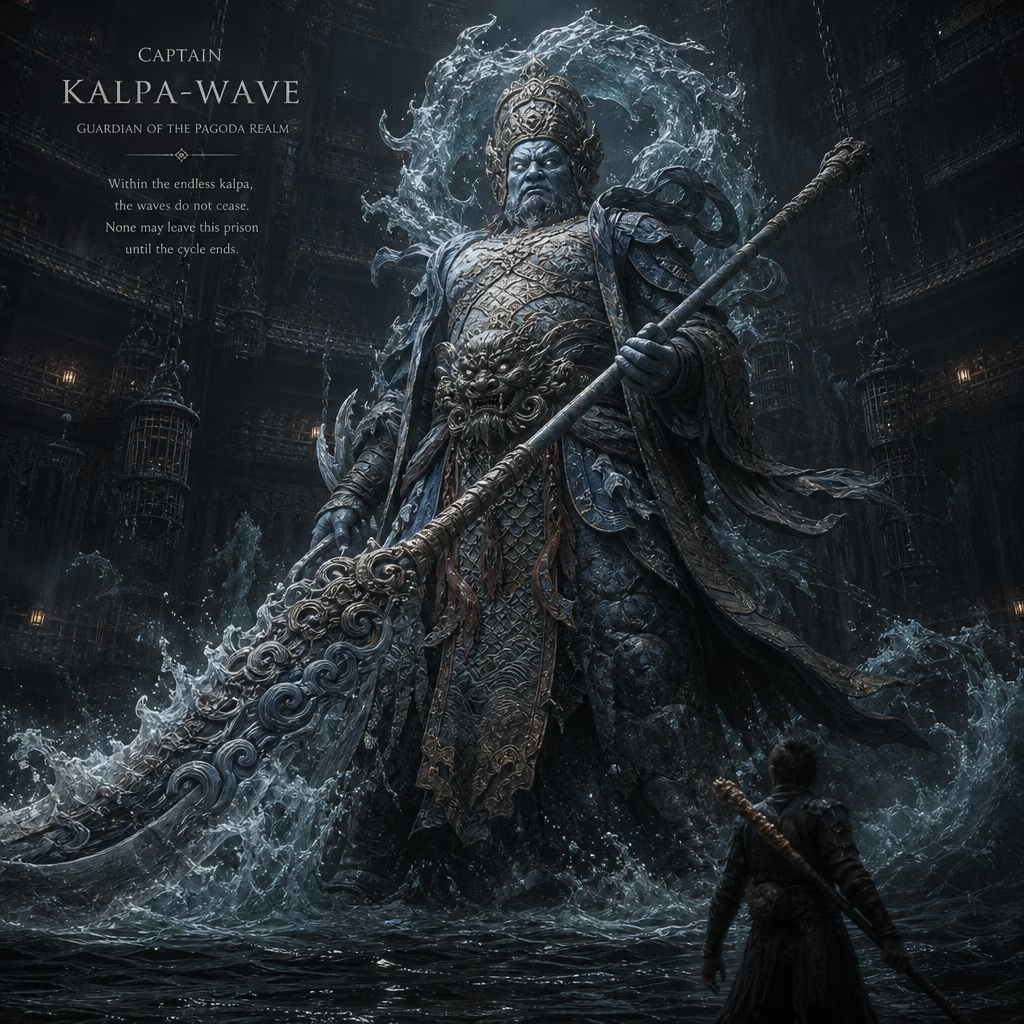
Black Myth: Wukong had arrived as a cultural milestone. The action RPG from Game Science was a homegrown Chinese blockbuster, and its supporters had hoped it would take the ceremony’s biggest prize. The context made the disappointment sharper: the game had a reported $70 million budget, sold 10 million copies in just three days, and was planned as a series rooted in Chinese mythology. When Astro Bot won Game of the Year instead, that disappointment needed an outlet.
Vincke’s speech became that outlet. Some Chinese users interpreted his words as a pointed criticism of Game Science, as though the Larian founder were lecturing Black Myth: Wukong’s team about art versus commerce. The interpretation was amplified by a poor translation. The sarcasm and tone in Vincke’s remarks were reportedly lost, and the speech that sounded wry in English landed as hypocritical in Chinese. A misunderstanding curdled into anger.
Then came the review bomb. Negative reviews began appearing on Baldur’s Gate 3’s Steam page, even though Larian had no vote in the category and BG3 was not competing that year. The target was symbolic rather than logical. Vincke was the visible face of the ceremony’s biggest moment, and his game became the place where frustrated players could leave a mark. The reviews were less about Baldur’s Gate 3’s quality than about a perceived insult, a lost trophy, and a translation that failed to carry the original tone.
| Element | What happened |
|---|---|
| 🏆 Winner | Astro Bot took Game of the Year at The Game Awards 2024 |
| 🎤 Flashpoint | Sven Vincke’s pre-award speech about games and profit |
| 🎯 Target | Baldur’s Gate 3’s Steam review page |
| 🌐 Trigger | Disappointment over Black Myth: Wukong, worsened by mistranslation |
| 📊 Outcome | Review bomb; BG3 still held a 96% positive Steam rating at the time |
The numbers told a more complicated story than the backlash. Despite the wave of negative reviews, Baldur’s Gate 3 still maintained an impressive 96% positive rating on Steam, even among its most recent reviews. The positive feedback outweighed the negative by a wide margin. That detail matters because it shows how review bombing can distort a page without actually changing the underlying reputation of a game. A coordinated burst can look loud, but it does not always represent the broader player base.
The incident also exposed something uncomfortable about modern review systems. Steam reviews are meant to help players decide whether a game is worth their time. In this case, they became a political and social tool. Some users were not assessing Baldur’s Gate 3’s story, combat, or performance. They were protesting a speech, a ceremony, and a cultural moment. The review page became a public square, and the game became collateral.
By 2026, the episode reads less like a referendum on either game and more like a case study in how quickly online anger can travel. The Game Awards 2024 is now history. Astro Bot has its trophy. Black Myth: Wukong has its sales and its place in the conversation. Baldur’s Gate 3 has its reputation. What remains is a cautionary tale about translation, timing, and the way fans turn review pages into battlegrounds when a loss feels bigger than a single award.
This discussion is informed by The Verge - Gaming, whose industry reporting often shows how awards discourse, fan identity, and platform tools can collide in ways that go far beyond a game’s actual design or quality. In situations like the Baldur’s Gate 3 review bombing, that broader lens helps explain why a mistranslated speech and disappointment over a major result can rapidly turn store pages into arenas for symbolic protest rather than useful consumer feedback.